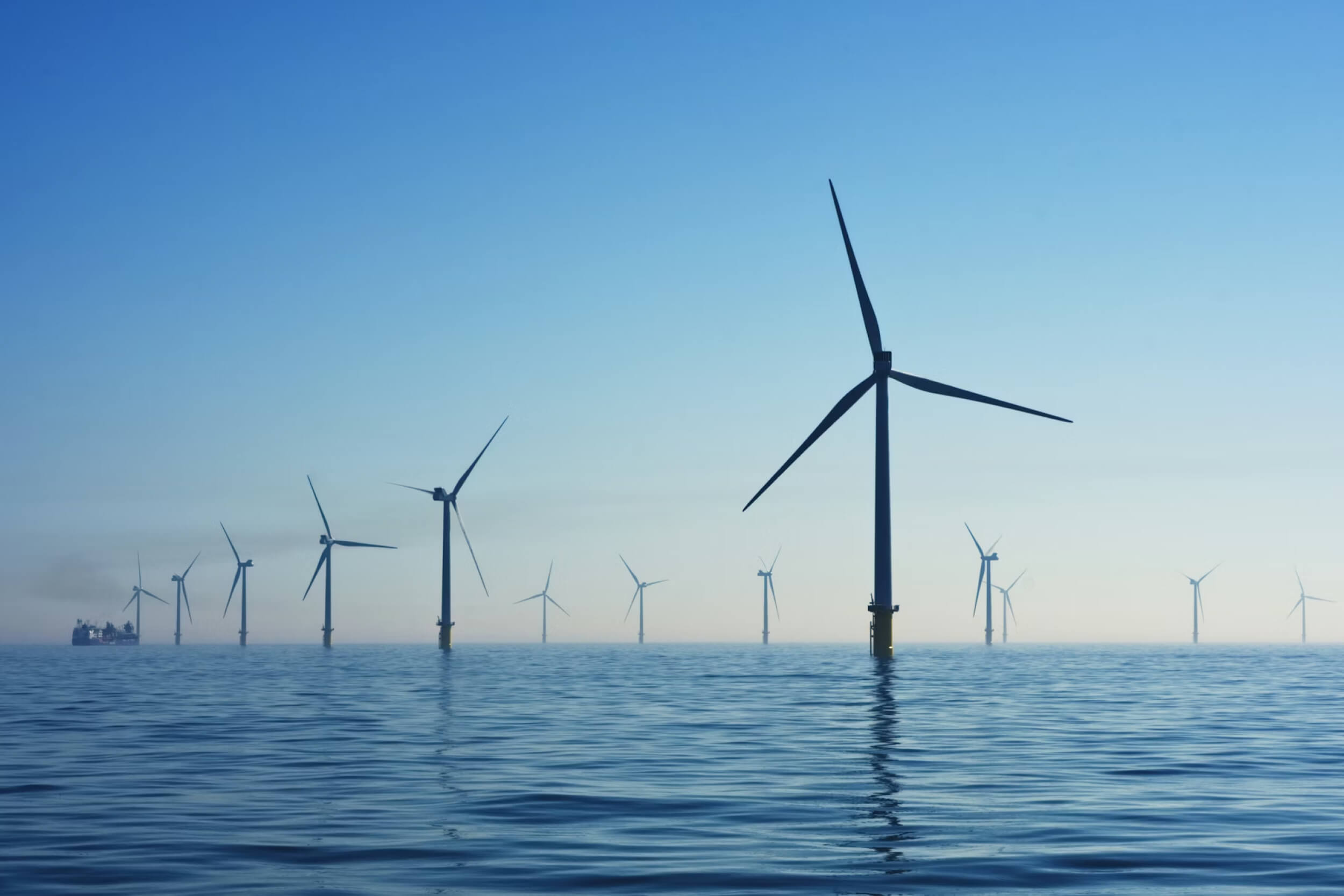
Why is this a pressing problem?
As long as we emit greenhouse gases, the Earth will continue to heat up. Global warming increases the frequency and severity of extreme weather, increases food insecurity, and could even lead to displacement and conflict.
Even though there is broad scientific consensus that carbon emissions cause climate change, humanity is well off-track to limit global warming to 1.5 °C as aspired to in the Paris Agreement.
Research can contribute to a better understanding of the effects of climate change and inform more effective action to reduce greenhouse gas emissions and improve adaptation to a warmer world.
However, compared to other causes and global challenges, climate change already receives substantial research funding and academic attention. As a consequence, many “obvious” and cost-competitive solutions like solar, wind, electric vehicles, and carbon pricing advocacy are generally not limited by a lack of research. Often, additional research can create a much higher marginal impact when focusing on the less visible bottlenecks of decarbonisation.
Some themes where additional research would be highly valuable for addressing climate change:
- Improving the allocation of existing resources to tackle climate change.
- Hard-to-abate sectors, such as steel, cement, aviation, shipping, industrial heat, and the food system.
- Avoiding a carbon lock-in in emerging economies.
- Enabling technologies and bottlenecks, such as clean firm power, grid-scale energy storage, permitting reform, and supply chains for critical minerals.
- The governance, risks, and scaling potential of climate interventions such as carbon dioxide removal and solar radiation management.
- Understanding extreme climate risks (fat-tailed uncertainty) to prepare for a potentially much warmer world than expected.
At the same time, we also recommend defaulting to many popular fields of environmental studies because they are relatively crowded in academia or business. It is unlikely that your thesis can unlock a high marginal impacts in these topics, unless your personal background or expertise allows you to make progress in a way that many others cannot:
- Incrementing improvements to already scaling renewables, such as solar and wind
- Sustainable lifestyles
- Carbon pricing
- Climate change awareness
Explore existing research
- Giving Green researches the climate action strategies that rank highest in scale, feasibility, and funding need. Their research informs donors where their donations can make the most impact.
- Founders Pledge has a Climate Fund and researches priorities for climate philanthropy. They have published several reports on maximising positive climate impact.
- CREA uses scientific data, research, and evidence to support the transition towards clean energy and clean air.
- Ambitious Impact (formerly Charity Entrepreneurship) has published several reports on climate change interventions that also appear effective for global development and animal welfare.
- Project Drawdown researches the potential of climate change solutions. You can filter their solutions explorer for solutions tagged ‘Keep Watching’. These are solutions that are less mature but could be promising when further developed.
Find a thesis topic
Interdisciplinary
- How likely is climate change to pose an existential threat to humanity?
- How does climate change affect other existential or large-scale threats to humanity, such as war?
- What are the largest impacts of climate change on health or development, and what can we do to mitigate these impacts?
- Will climate change have any major adverse effects that we are currently not preparing for yet?
Economics
- What are the impacts of carbon emissions on human health and well-being expressed in Disability-Adjusted Life Years (DALYs)?
- What is the risk that climate change will be much worse than we thought? (Tail risks)
- How can we accelerate the energy transition in low and middle-income countries to avoid a carbon lock-in.
Political Sciences
- What possibilities exist to make progress on climate change mitigation under conservative and climate-skeptical governments?
- How can we use industrial policy to accelerate the development of promising yet neglected climate solutions, such as green steel, zero-emissions aircraft, and alternative proteins?
- What policy incentives are needed to accelerate promising yet neglected climate solutions?
- How can we create good international governance frameworks for climate interventions like solar radiation management that take into account the benefits, risks, and equity considerations?
- How can we reform permitting processes to allow for a faster adoption of renewable energy technologies?
Earth Sciences
- What is the risk that climate change will be much worse than we thought? (Tail risks)
- How can we increase atmospheric carbon removal at a climate-relevant scale at an affordable cost?
Engineering
- How can we improve the manufacturing of plant-based and cultivated meat?
- How can we address technical challenges for grid-scale energy storage, energy transmission, and critical mineral dependence?
- Any research to increase decarbonization of steel, cement, and other heavy industries.
- Any research to increase the development and adoption of clean firm power technologies (enhanced geothermal and nuclear energy) to hedge against solar and wind.
Biological Sciences
Psychology and Cognitive Sciences
Other Environmental Topics
- Can biodiversity loss pose an existential threat to humanity?
- How can we apply the principles of effective altruism to reduce biodiversity loss?
- Which interventions or strategies are most cost-effective for reducing the health burden of air pollution?
Further Resources
- Effective Environmentalism is a community and network of people looking to maximize their positive impact on the planet. The effective environmentalism website includes resources to help increase your impact. You can also join the Slack community to ask for input on and advice for your thesis.
- 80,000 Hours has an article about the best ways to work on climate change.
- Probably Good has a guide about using your career to help address climate change.
- Climate Change AI is a non-profit that catalyzes impactful work at the intersection of climate change and machine learning.
- High Impact Engineers’ advice for how engineers can contribute to tackling climate change.
Related Research Directions
Contributors: This profile was last updated on Jan 24, 2026. Thanks to Soemano Zeijlmans from the Effective Environmentalism Initiative for originally creating this profile.