Learn to research and prioritise between different high-impact topics. For students heading into their final year and deciding between different impactful thesis topics or career paths.

Ideal for students currently deciding between different thesis topics and high-impact career paths.
The Effective Thesis Accelerator is designed to guide you from your initial thesis idea to a fully developed, high-impact thesis proposal with a clear Theory of Change. Over eight weeks, you’ll refine your personal vision for impact, map your problem area, engage with peers and experts, and develop a concrete research proposal to make meaningful contributions through your thesis.
The program combines self-directed modules and worksheets and facilitated peer group discussions, with an expected commitment of 3-8 hours per week.
Current students who want to use their thesis or research project to explore different high-impact topics and clarify their future career direction.Current students who are still deciding between multiple thesis topics, as well as deciding between different career paths.
Open to students at all levels: Bachelor’s, Master’s and PhD.
Throughout the program, you’ll follow a structured curriculum designed to help you:

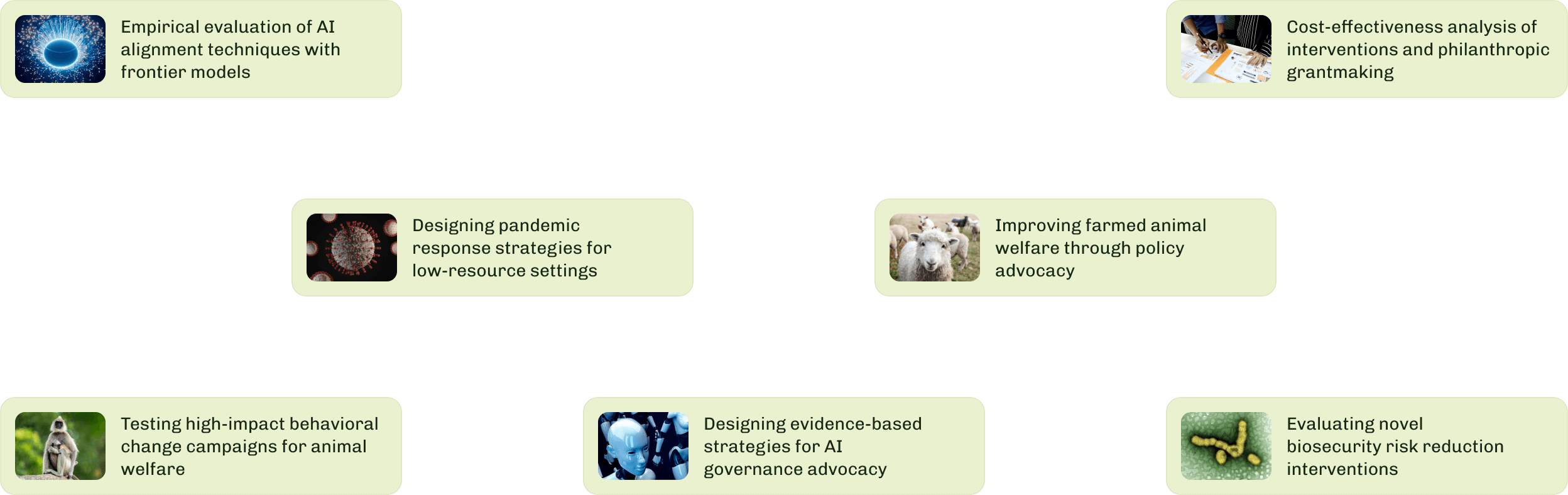
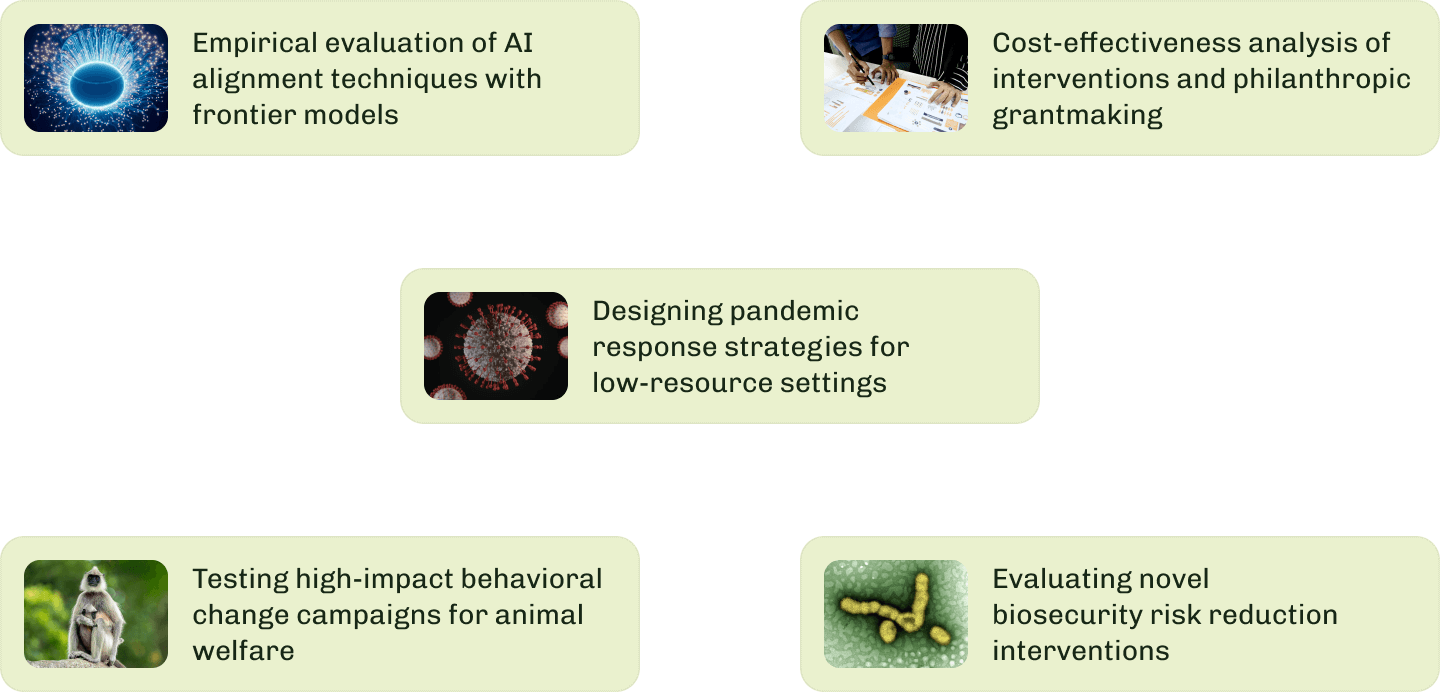
Explore several high-impact research directions that align with pressing global challenges
Learn how to prioritise between thesis topics using impactful frameworks
Build a personal Theory of Change to guide your thesis and career choice
Develop a high-impact career plan that reflects your strengths and personal values
Collaborate with peers in small groups, exchanging feedback, insights, and support
ET-Delivered (Virtual): This cohort is facilitated directly by the Effective Thesis team.
Campus Director-Led at your university/city: This cohort is run by a trained Campus Director — a peer facilitator (often a student or alumnus) who leads a small group at their own university or community (on-site). It follows the same Effective Thesis curriculum and frameworks, with the Campus Director facilitating the weekly sessions and the ET team providing training and support behind the scenes. Groups are small (typically 4–6), often meet in person, and offer a more local, peer-led experience.
If you have been recruited by one of our Campus Directors, please apply for their cohort.
All cohorts (ET-Delivered and Campus Director-Led) will have access to our cross-cohort events & workshops with expert guests!
3-8 hours per week, including weekly group discussions and worksheets.
An impactful thesis proposal that is aligned with your long-term, high-impact career plan
Gain clarity on how your research can contribute to solving important problems while building skills, networks, and experiences that support your impact-driven career path
Top-performing participants may advance to receive ongoing Effective Thesis mentorship to turn their high-impact thesis idea into reality and further strengthen their high-impact career trajectory.



 Apply by Sep 25 (23:59 CEST)!
 Empower students towards high-impact research and meaningful career paths. As a facilitator, you will lead small-group discussions (4–6 students) and support participants in developing impactful thesis and research projects aimed at addressing pressing global challenges, while also reflecting on longer-term career directions aligned with impact
This role is open to early career individuals and students at any level, and offers a chance to contribute to a community focused on impactful research and careers.
Time commitment: Approximately 4–5 hours per week, including preparing for and facilitating group discussions and coordinating with participants.
Develop leadership and facilitation skills: Gain hands-on experience leading discussions, guiding small groups, and supporting others as they explore impactful research and career paths.
Deepen your understanding of high-impact research and careers: Engage closely with the ideas, topics, and questions students are exploring while strengthening your own perspective on impactful work.
Join a global community of impact-driven peers: Connect with motivated students and facilitators from around the world and contribute to a collaborative community focused on solving pressing global challenges.
 Apply To Be a Facilitator in early 2027!

I am a third-year Mathematics and Physics student and organiser at EA Warwick. My primary focus is applying mathematical modelling to alternative proteins, specifically addressing fluid dynamics and scaling challenges in cultivated meat. I also have a strong interest in Technical AI Safety. Happy to chat about alignment, bioreactors, or community building.
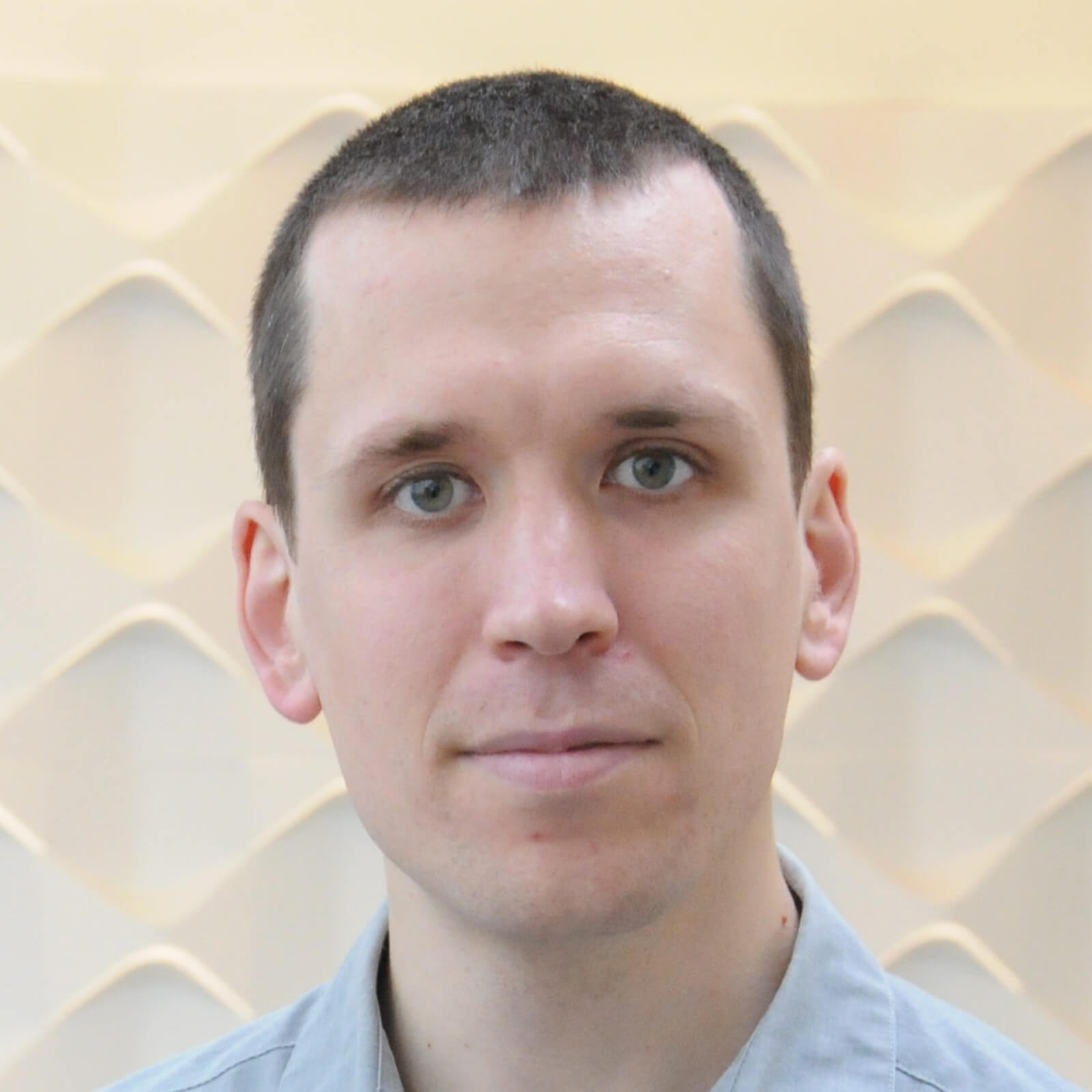
Matthias is a PhD student in Economics at the University of Warwick. After having spend time working in the Economis of Wellbeing (PSE), very briefly Global Priorities Research (GPI) and Global Health and Development (CCWD, GPI), he is now doing research in Political Economy and the intersection of Economics with the societal implications of transformative AI.
Since 2023 he is a member of the executive committee at Effective Altruism Warwick.
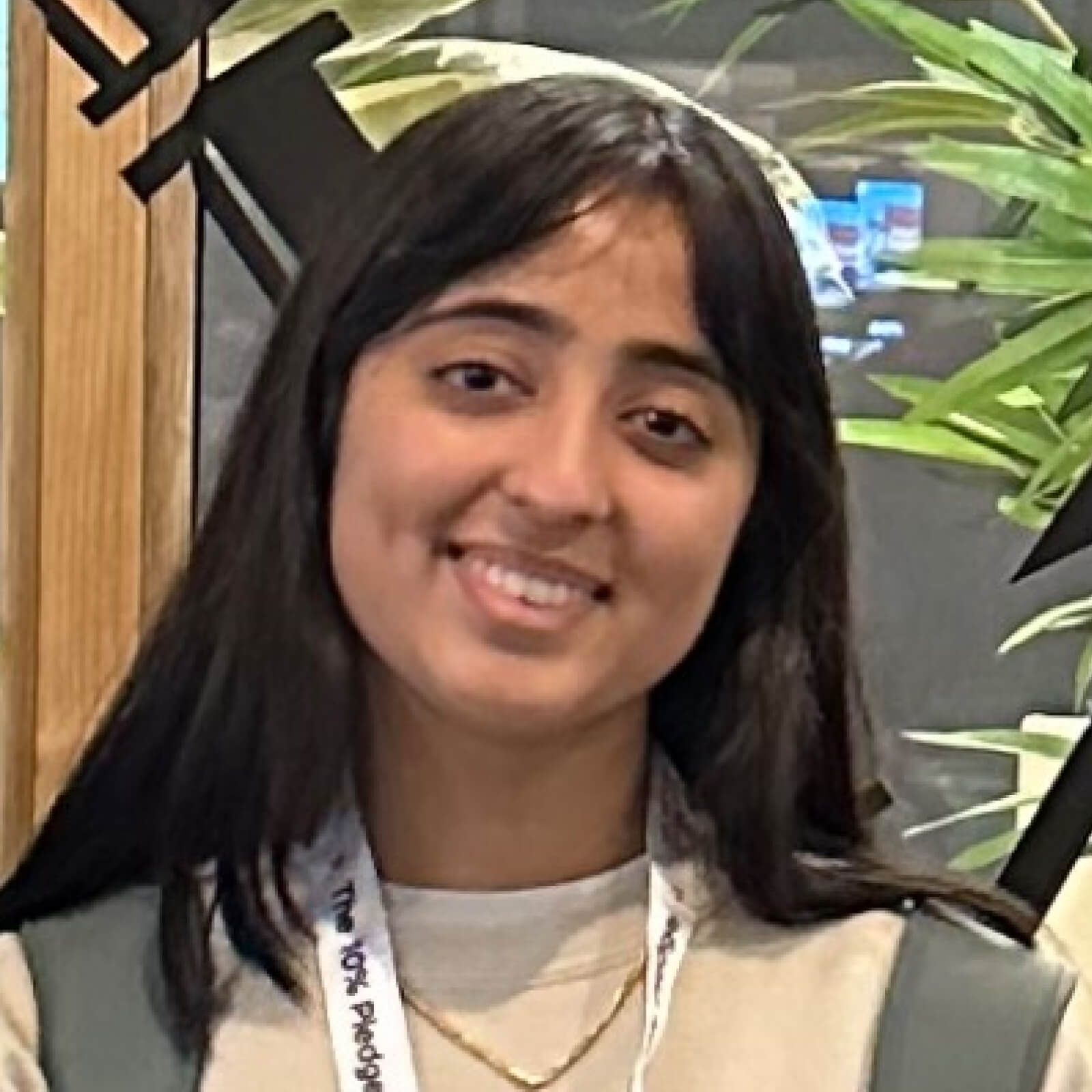
Hi, I’m Kashvi! A Mathematics student at the University of Bath and Chair of EA Bath! I’m interesting in animal welfare and potentially AI safety, and would like to maybe use my career in the intersection of those two cause areas.
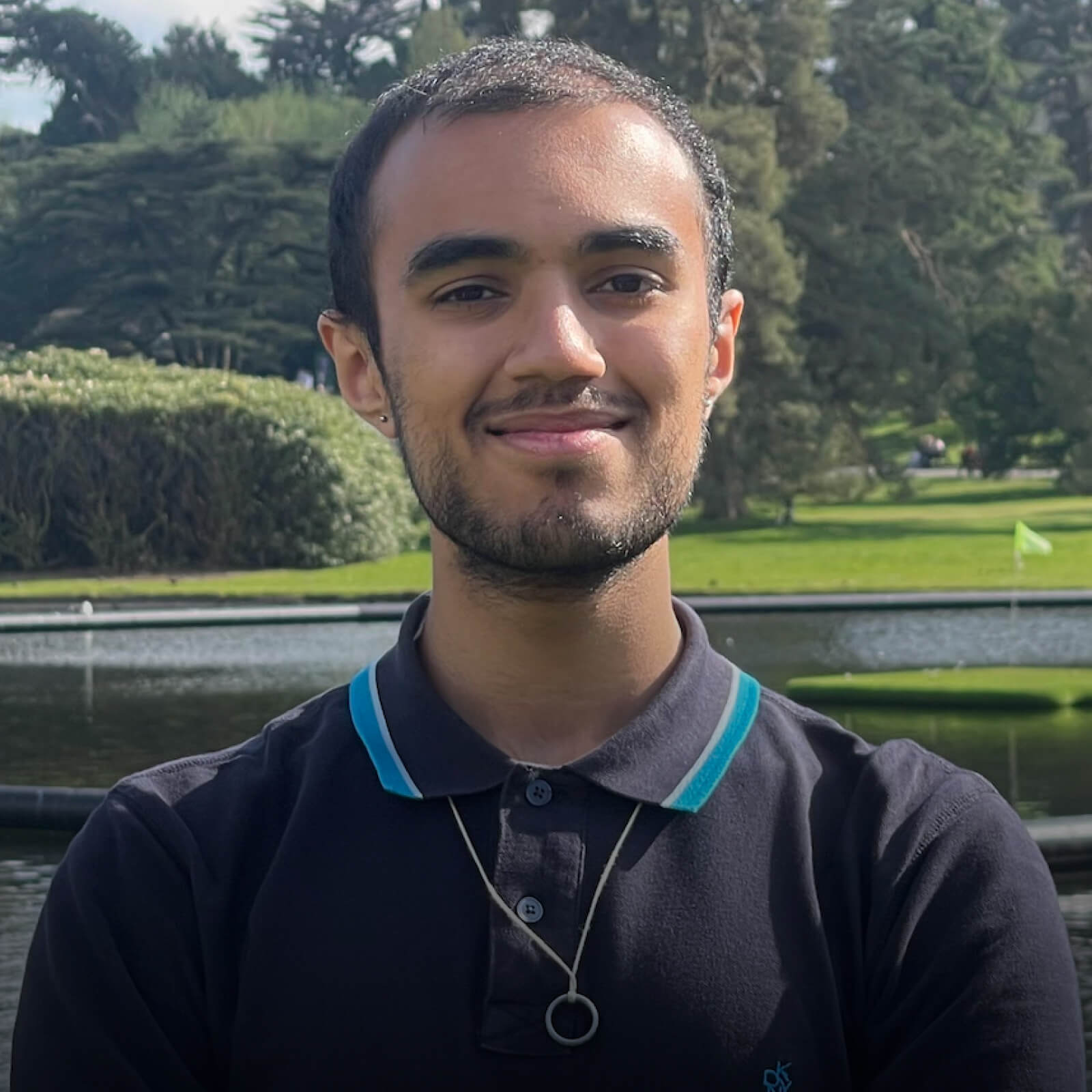
Why hello there! I'm Arjun, a second-year Computer Science student at The University of Manchester. I'm currently the president of AI Safety Manchester, and I'm deeply involved in both working on reducing the existential risk posed by A.I., as well as facilitating knowledge for the same. Recently, I worked on analysing the monitorability of the chain-of-thought in open-source large language models.

Hi! I'm Durriya, a 2nd-year PPE student and president of the Effective Altruism Society at LSE. I'm really eager to help my fellow students realise the impact we can have with our academic work, and that's what draws me to this program. I've published research in The Concord Review and worked with organisations like 180 Degrees Consulting and Grant Thornton, but I'm still exploring various high-impact career paths to see which one fits best!

Barbara Kayondo is a PhD candidate at the University of Cape Town and a lecturer in the Department of Information Systems, Faculty of Computing and Informatics, Makerere University Business School. She is an author and researcher with publications in AI governance, data security and privacy, and animal welfare advocacy, as well as academic books used in secondary schools and tertiary institutions. Barbara is also a community builder, having founded Effective Altruism MUBS and Effective Altruism Kampala, where she mentors students and young professionals to pursue impactful careers. Her work bridges scholarship, advocacy, and practice, advancing ethical technology use, data protection, and the humane treatment of animals.

I am an early-career community builder and researcher with strong interests in AI governance, global priorities research, and youth development. I currently serve as the Fellowship Manager for Effective Altruism Nigeria and as the Organizer of the EA Bayero University Group, where I facilitate fellowships, coordinate programs, and introduce students to high-impact ideas.
I have also been part of the organizing teams for major events, including the EA Nigeria Summit 2024 (Admissions & Production Lead) and EAGxNigeria 2025 (Admissions & Communication Lead). Beyond EA, I’ve engaged in research and facilitation roles such as the AI Safety Fundamentals Governance Course and the AI Safety, Ethics & Society Fellowship with the Centre for AI Safety, where I presented work on compute governance.
I am passionate about mentorship, leadership development, and building academic communities that help students align their careers with positive impact. Through this role, I hope to further develop my facilitation skills, connect with students exploring high-impact research questions, and strengthen my contribution to global problem-solving.
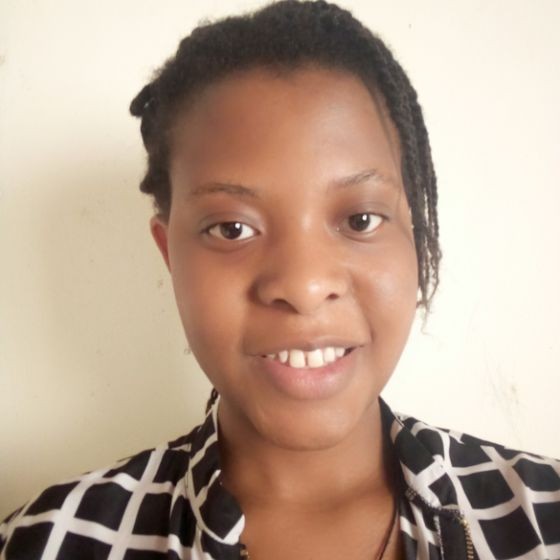
Community builder and continuous learner. I'm passionate about helping people develop their countries economically and socially so they don't have to depend on foreign aid to make a difference.

Shafira Noh is an AI Safety Researcher and the founder of Cetalabs, a lab dedicated to building the foundational tools for a safe, auditable, and decentralized AI ecosystem from non-Western worldview. As the Campus Director for Effective Thesis in Southeast Asia, Shafira is passionate about empowering the region's talents to start making impact in critical causes unheard of that much here. She is driven by the conviction that Southeast Asia must play a crucial role in the global AI safety conversation, using our own leverages.
Shafira's work bridges deep technical research with proven, real-world impact. Her entrepreneurial vision was recognized when she placed in the Top 3 of the 1337 Women Pre-accelerator in 2024. She is a firm believer in the power of public education by developing "Morph," early prototype for AI safety public education that won the Apart X BlueDot hackathon. This practical work is grounded in her hands-on research in compute governance with PauseAI and her ongoing Master's thesis on "compute governance mapping in Southeast Asia".
Her core belief is that the path to a safer AI future runs directly through our universities, and that a student's thesis can be the most powerful lever for creating real-world impact.
Apply to join a peer-led cohort in your region and research area of interest!




Whether you’re a student, expert, or organistion, join us in supporting the next generation of people using research and their careers to tackle global challenges.