Fellowship

Develop your thesis alongside organisations solving real-world problems, while accelerating your impactful career path.

Person organizing handwritten notes on a table with sticky notes and a cup of pens and scissors nearby.

Fellowship

Overview

Ideal for students and early-career individuals who want to partner with high-impact organisations while gaining hands-on experience working on real-world challenges.

The Effective Thesis Fellowship is designed for students who want to work directly on research alongside high-impact partners while accelerating their own path toward an impactful career. Fellows collaborate with organisations and experts tackling important global problems, producing research that informs real-world decisions.

Throughout the fellowship, students receive tailored mentorship and guidance while developing their thesis as a stepping stone toward an impactful career.

Who should apply?

Current students who aim to complete these projects as their final-year thesis or as an independent project. We also welcome early-career individuals and recent graduates who want to contribute to this work while gaining experience that can help shape their career paths.

The fit will depend on the exact project.

What to expect

Over 3 months, you’ll:

Apply to a specific research question aligned with your interests and our priority areas.

Collaborate closely with a mentor or a high-impact organisation.

Co-develop a research project that serves as your final-year thesis or independent project.

Receive ongoing support, feedback, and mentorship from the Effective Thesis team throughout the whole program.

Time commitment

8-10 hours per week for 3 months.

Outcomes

You’ll spend around 10 hours per week over 2-3 months, including:

Independent research and writing

Check-ins with your mentor

Progress check-ins and guidance from Effective Thesis

Optional participation in group meetings and workshops with other Fellows

Close-up of a vintage globe showing parts of Europe, Africa, and the Middle East with a brass meridian.People seated closely together, some taking notes with notebooks and pens, others reading books during a session.
Effective Thesis Fellowship
Next Cohort
July 2025
Venue
Virtual
Time Commitment
Up to 10 hours/week for 3 months
Notify Me When Applications Open

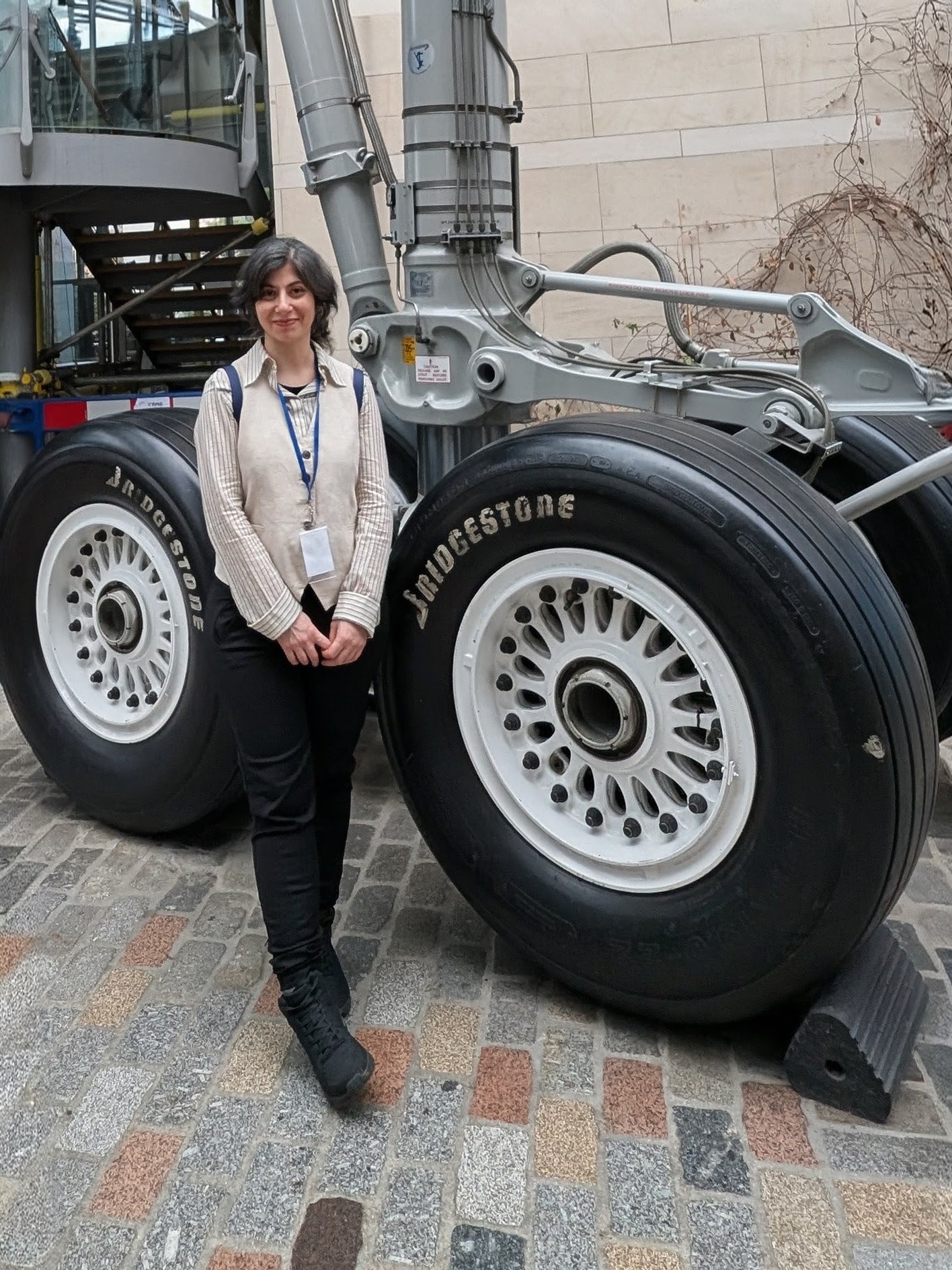
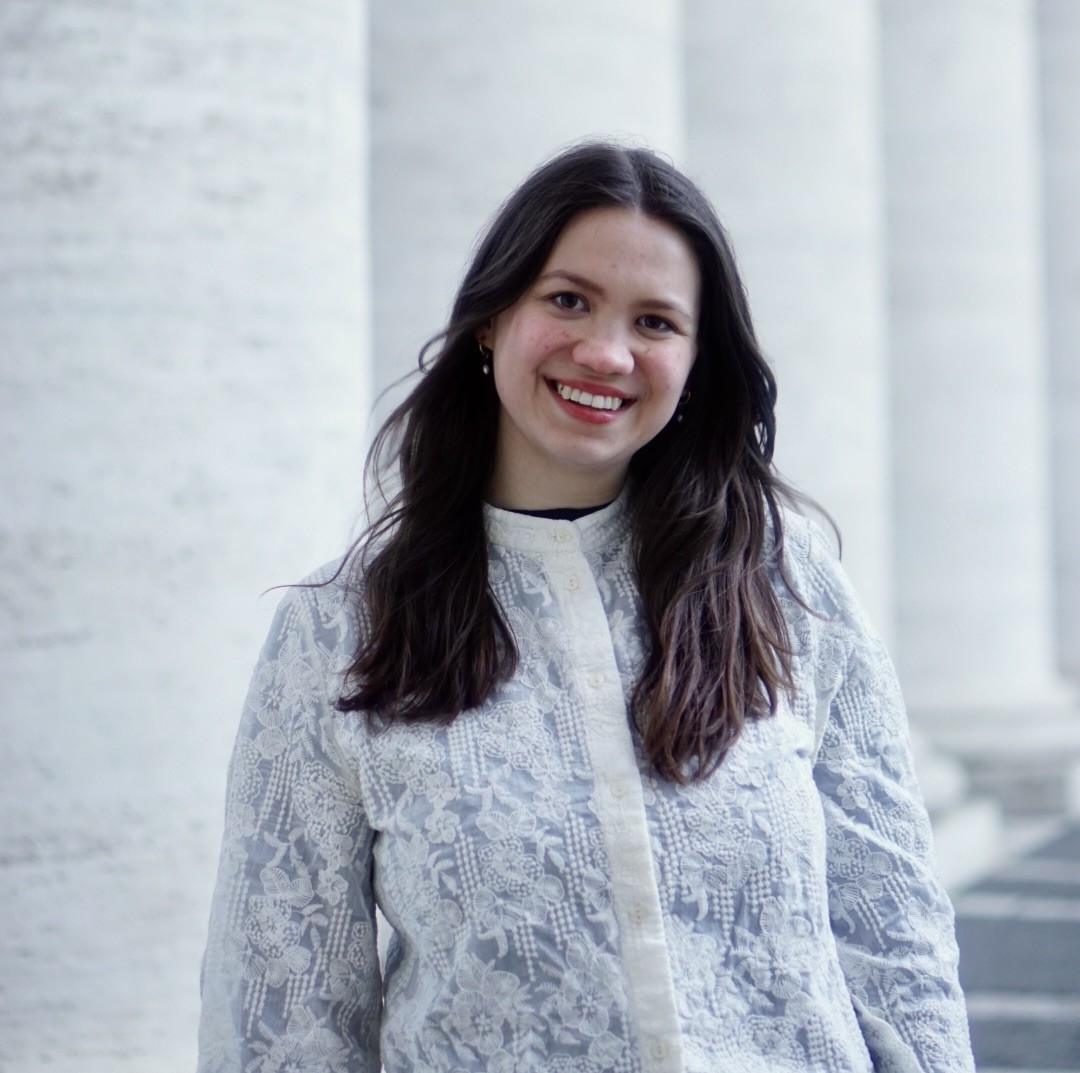
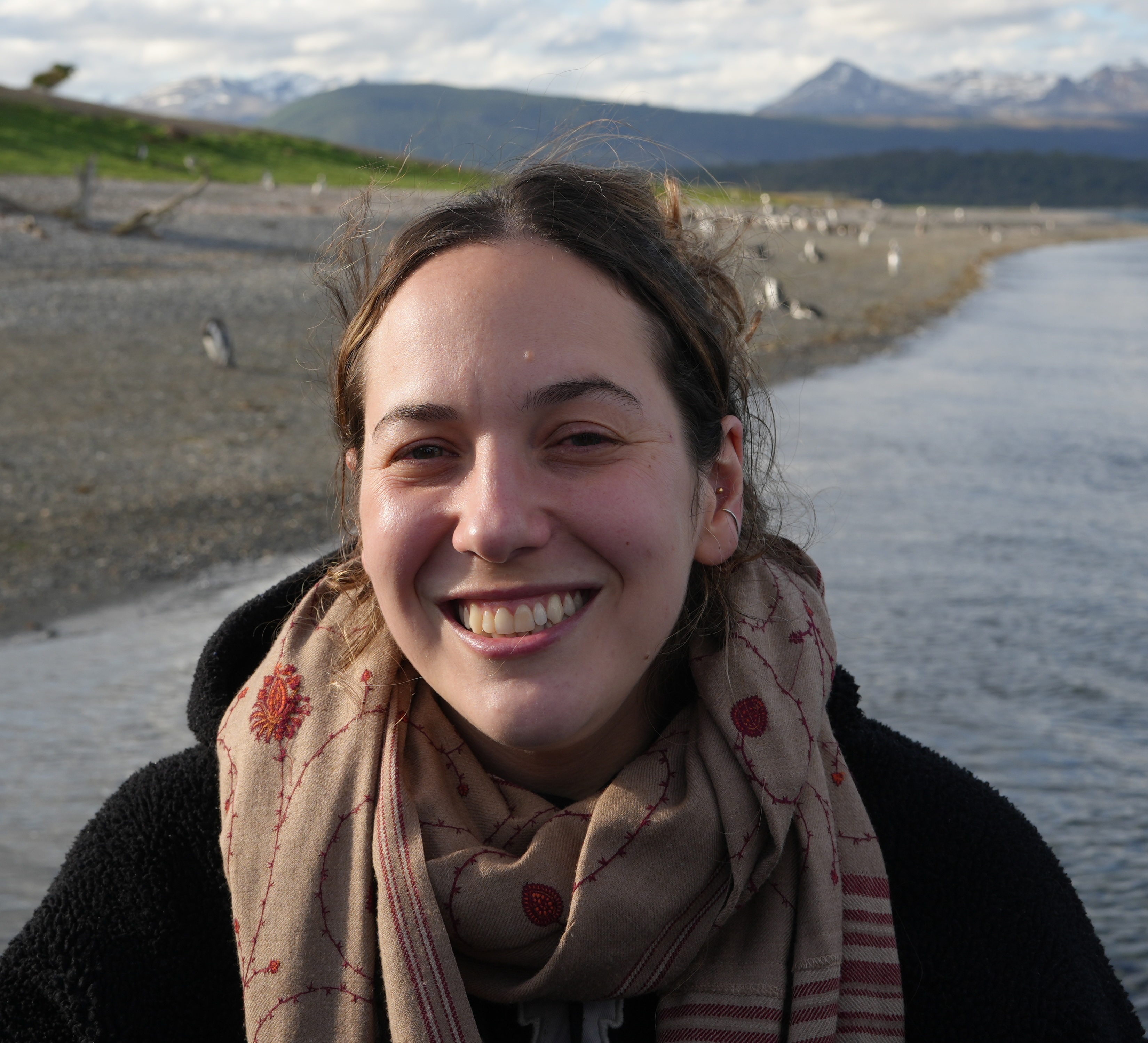
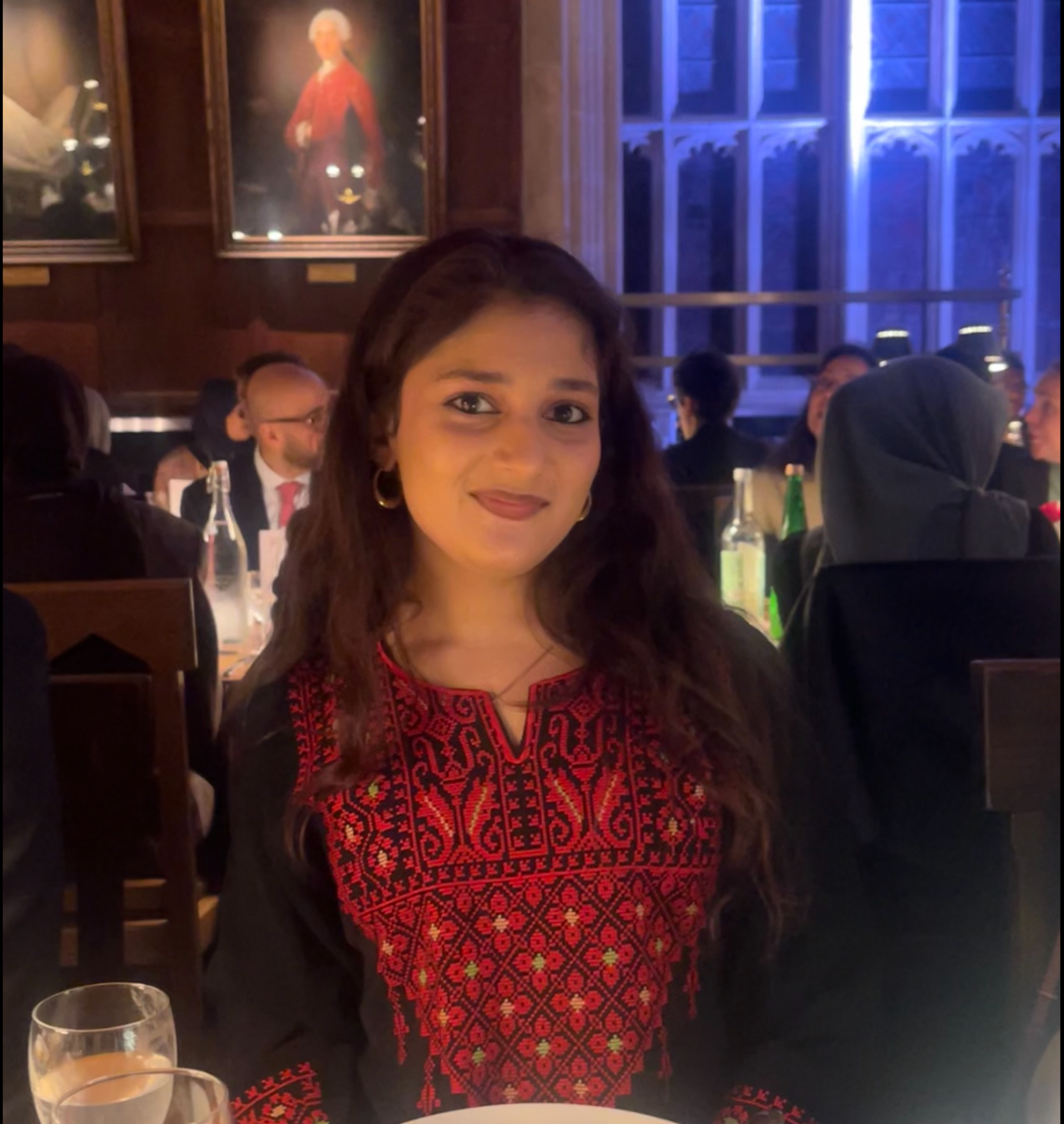
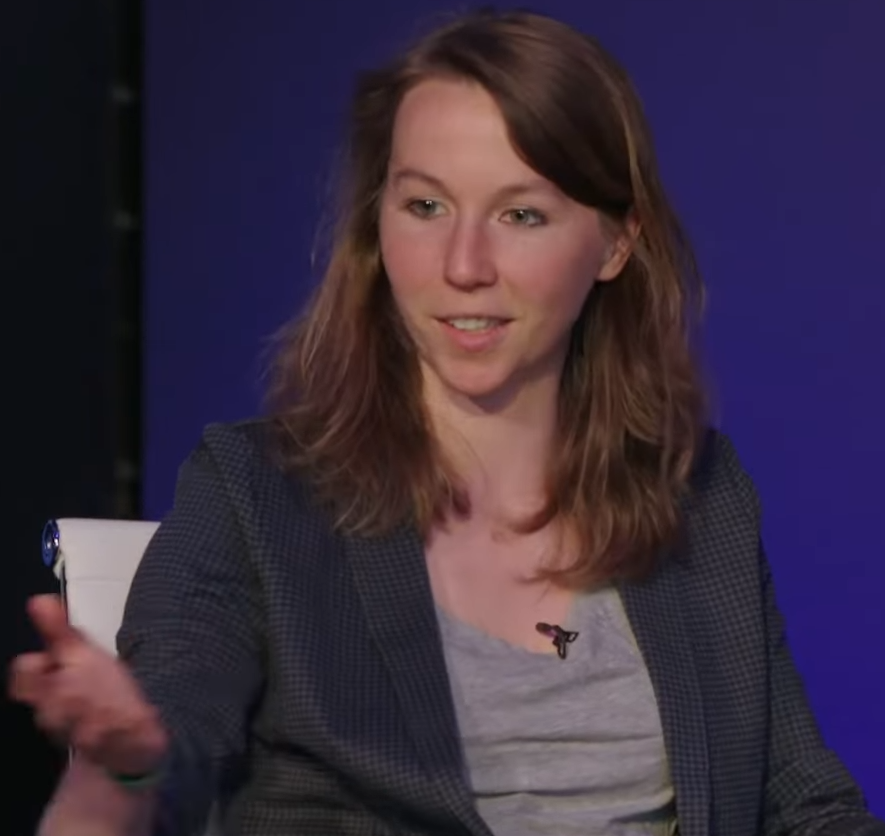
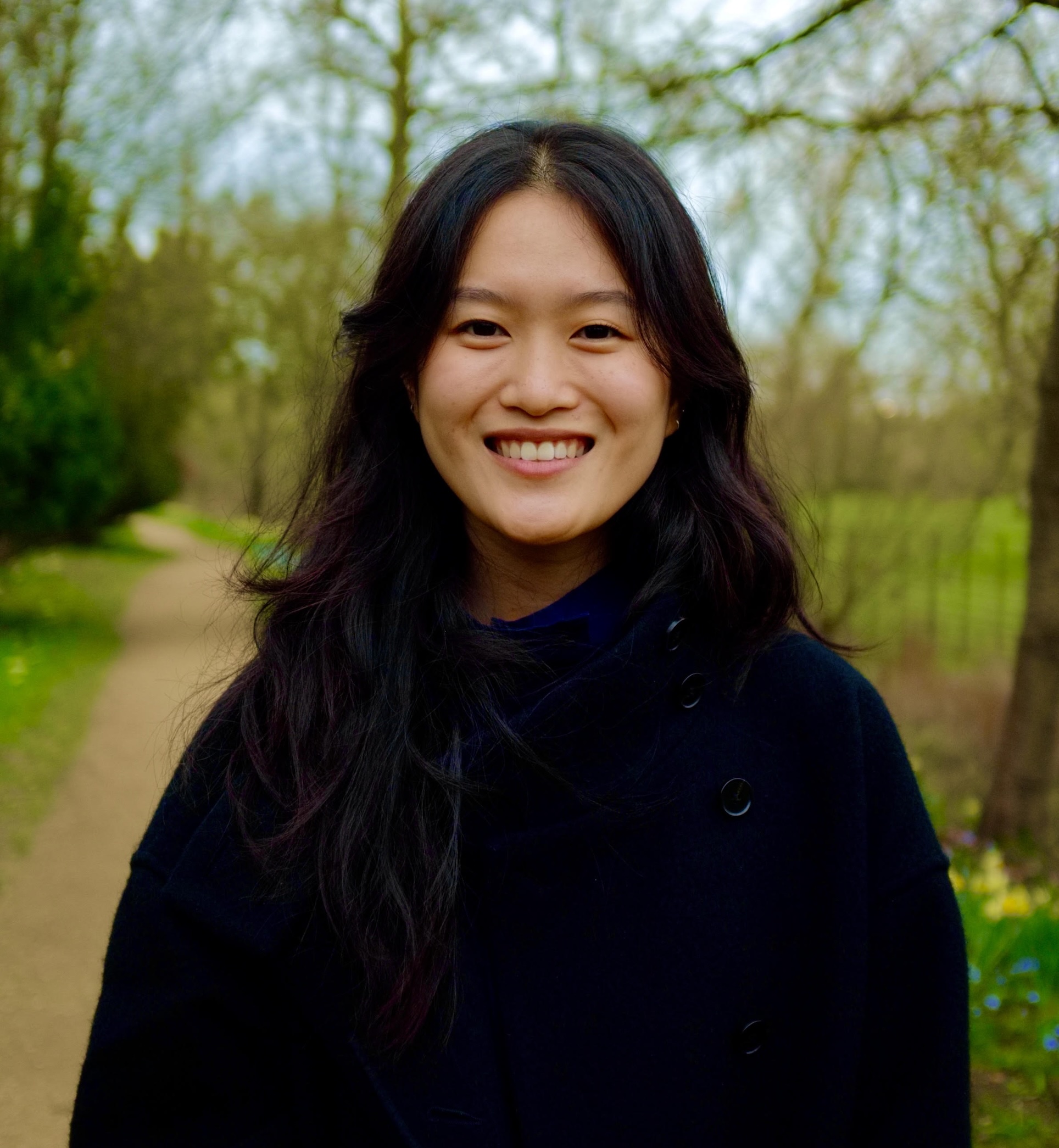
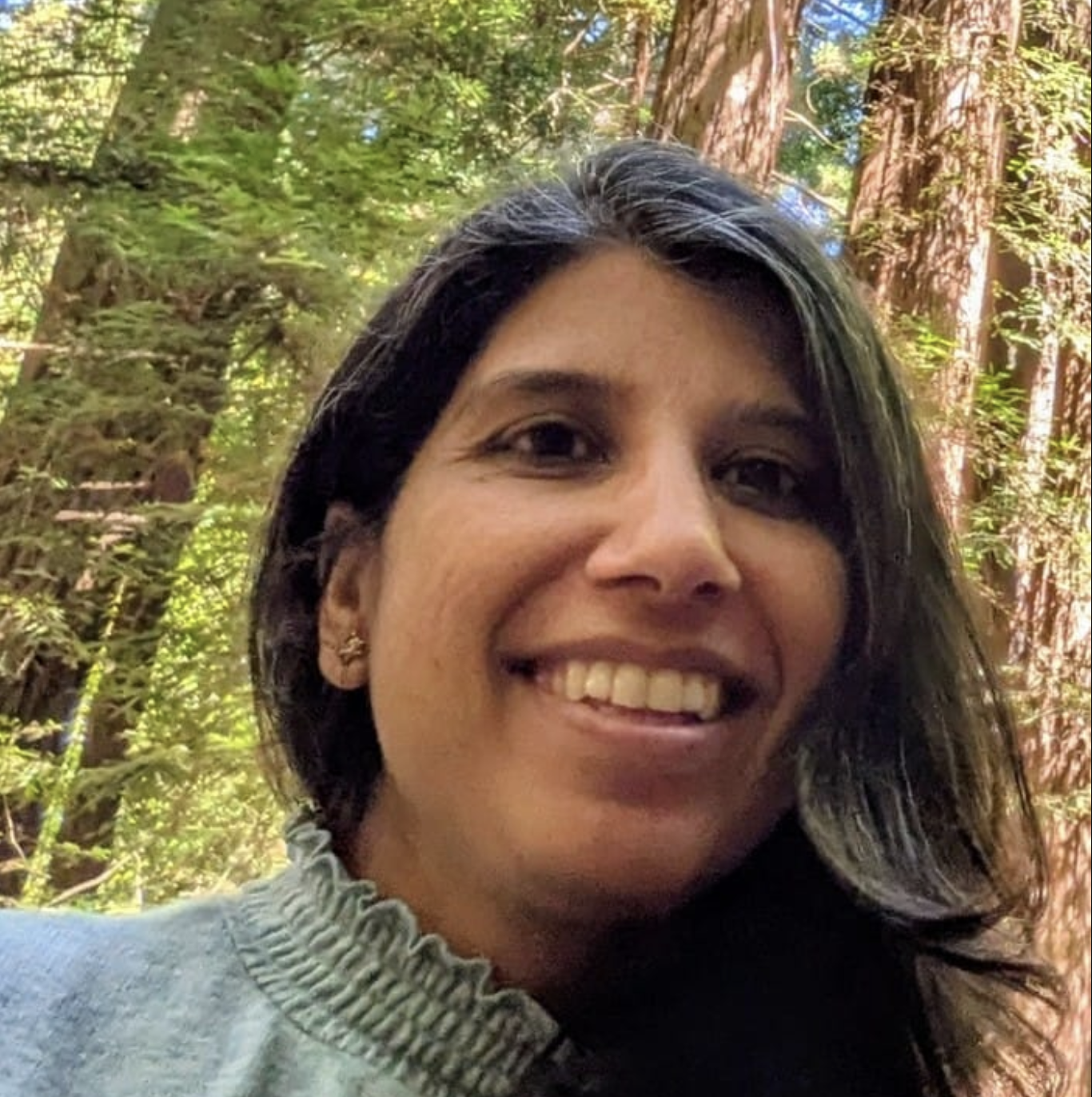
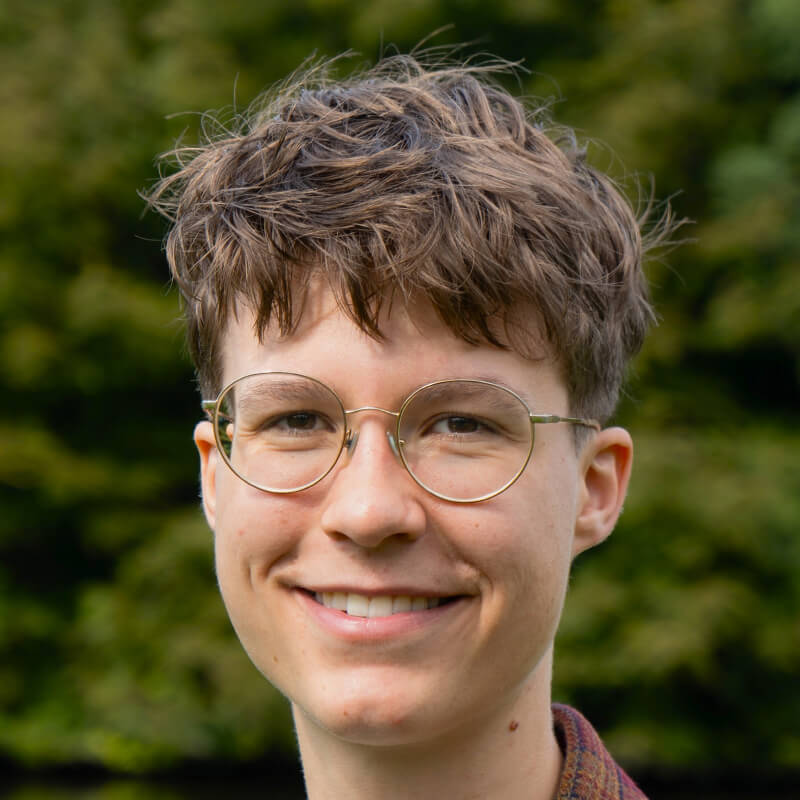
Meet our current fellows!

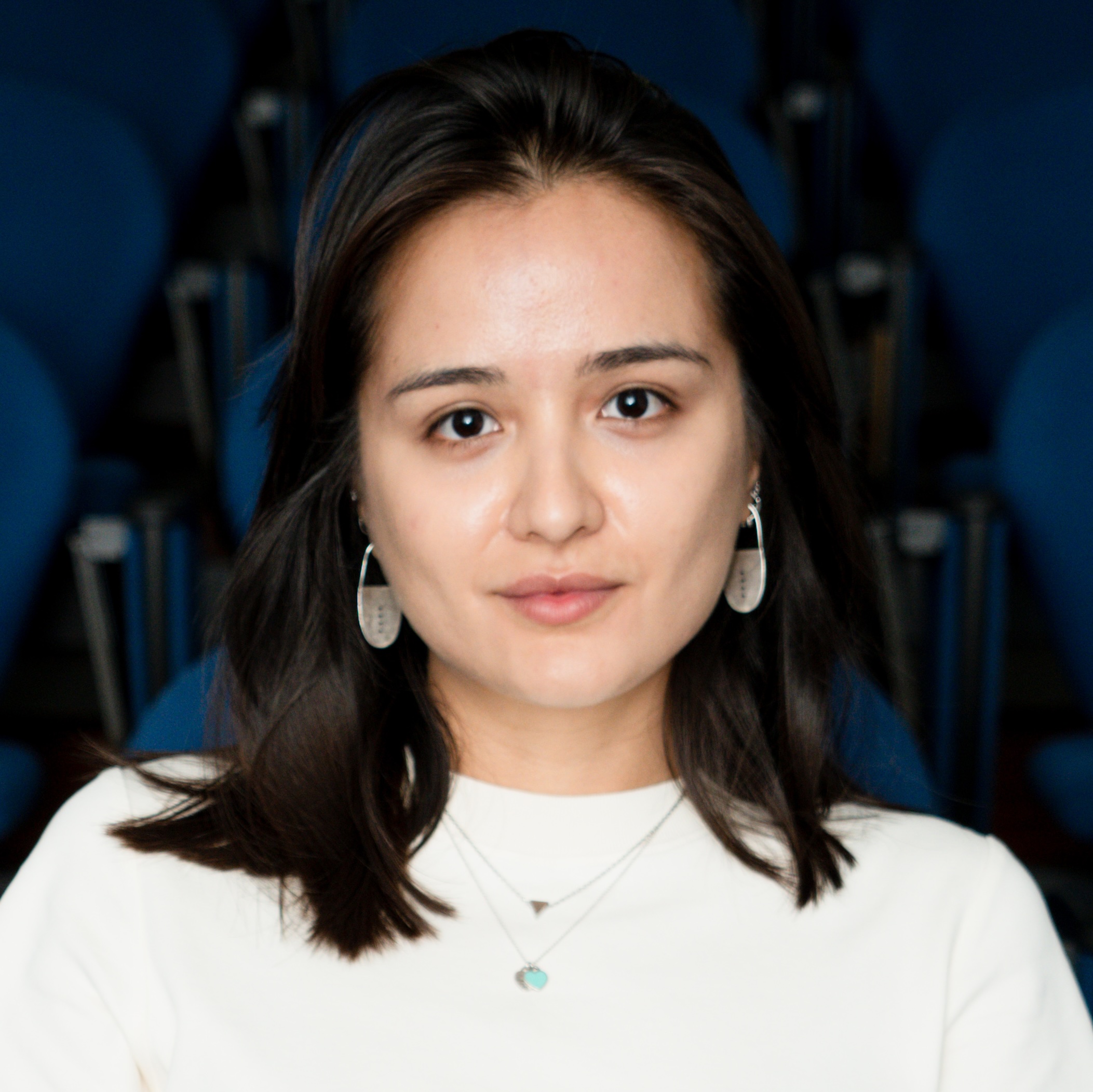
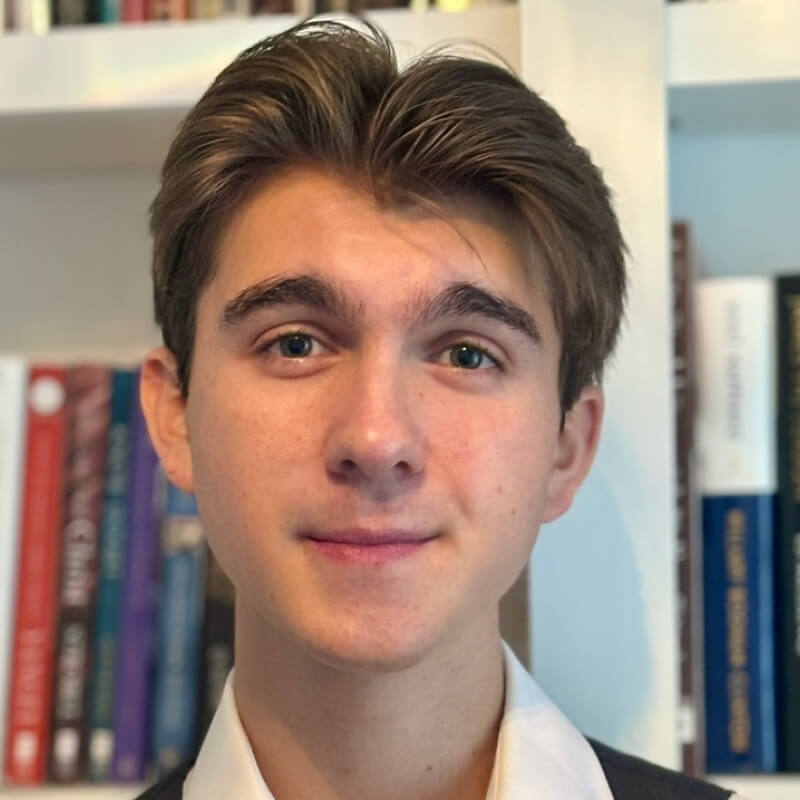
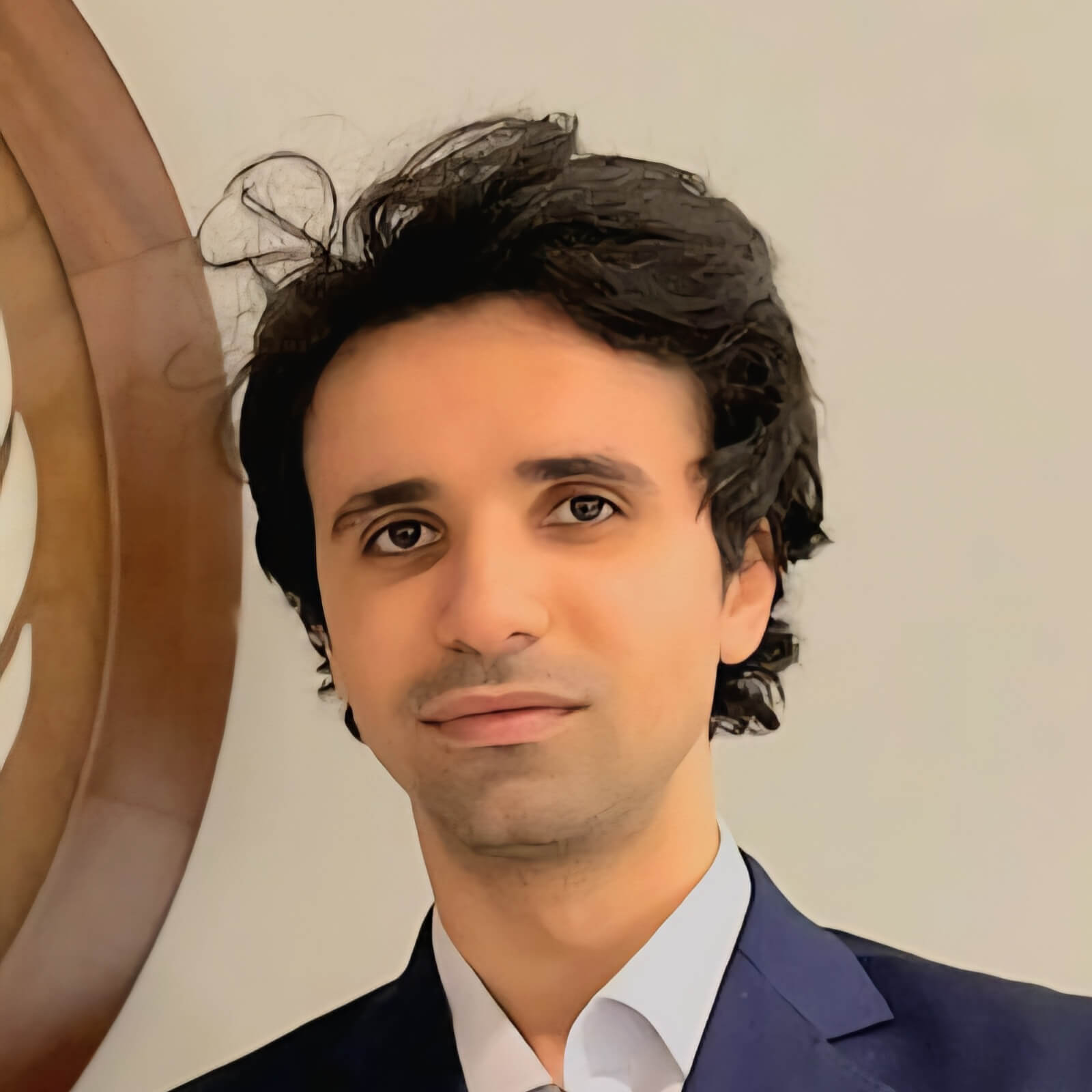
Zhuoran Du
PhD in Economics, University of New South Wales
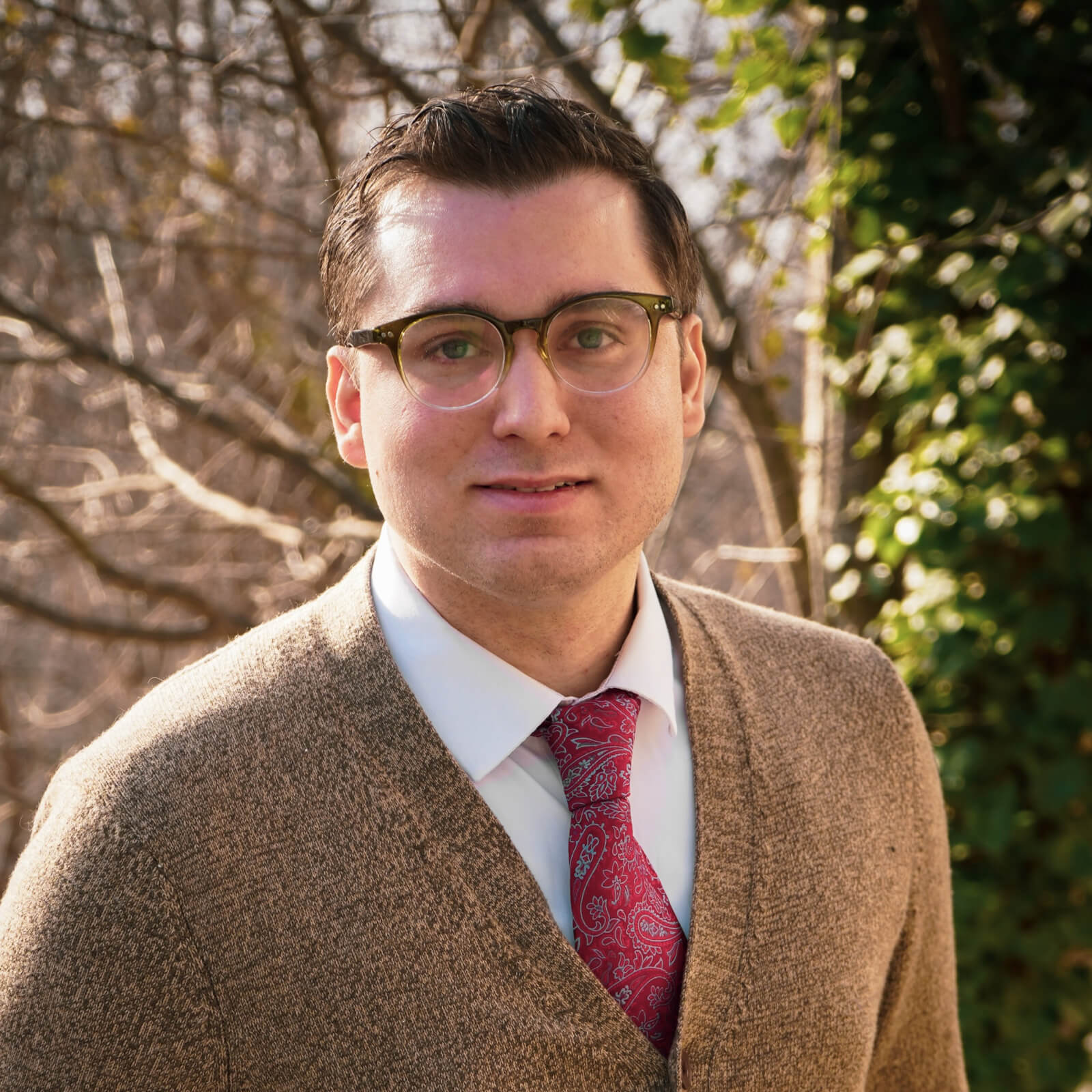
Tanja Letuha
Research Master's in Philosophy, University of Amsterdam
Nicolas Martino
Health Sciences, McMaster University
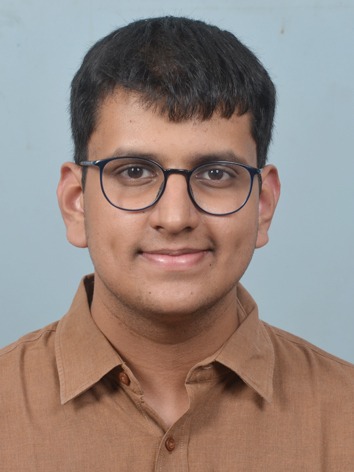
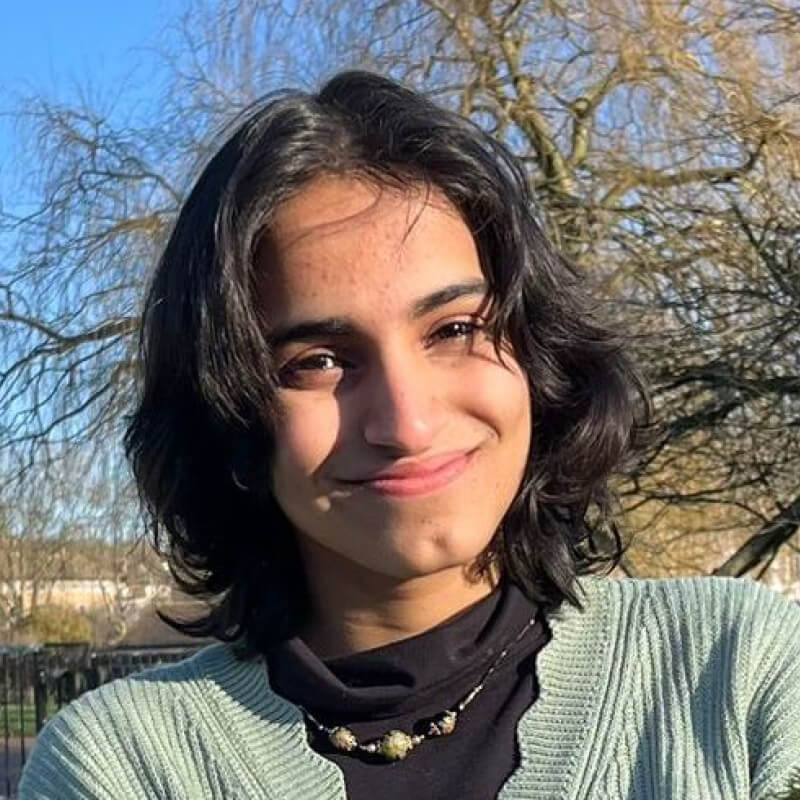
Durriya Gandhi
BSc in PPE, London School of Economics
Maria Magdalena Sanchez del Rio Aufrere de la Preugne
MSc in Applied Mathematics (MVA Program), Institut Polytechnique de Paris
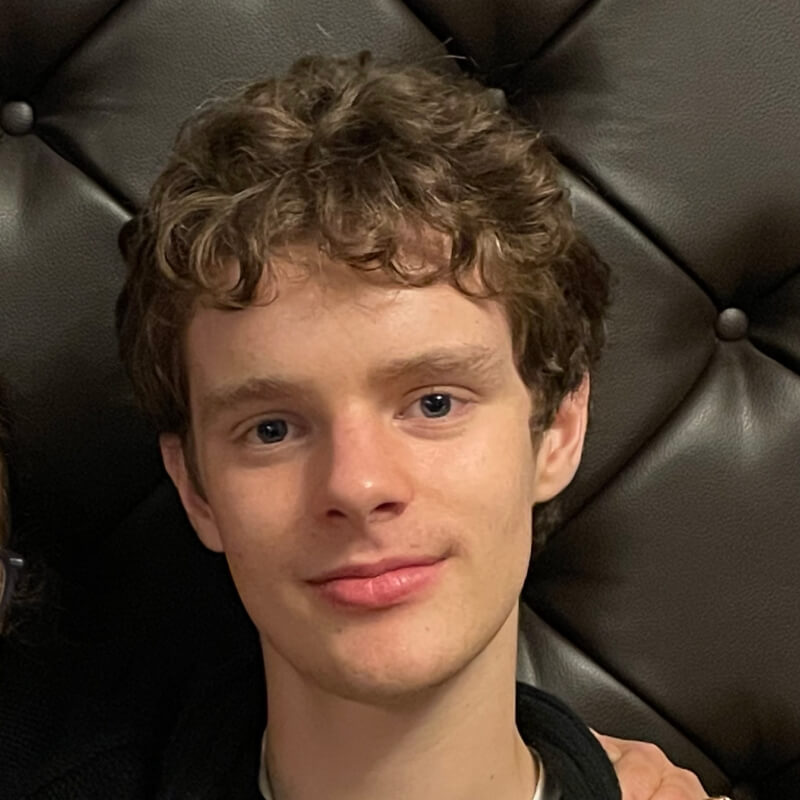
Joseph Tarr
BSc in Mathematics, Durham University
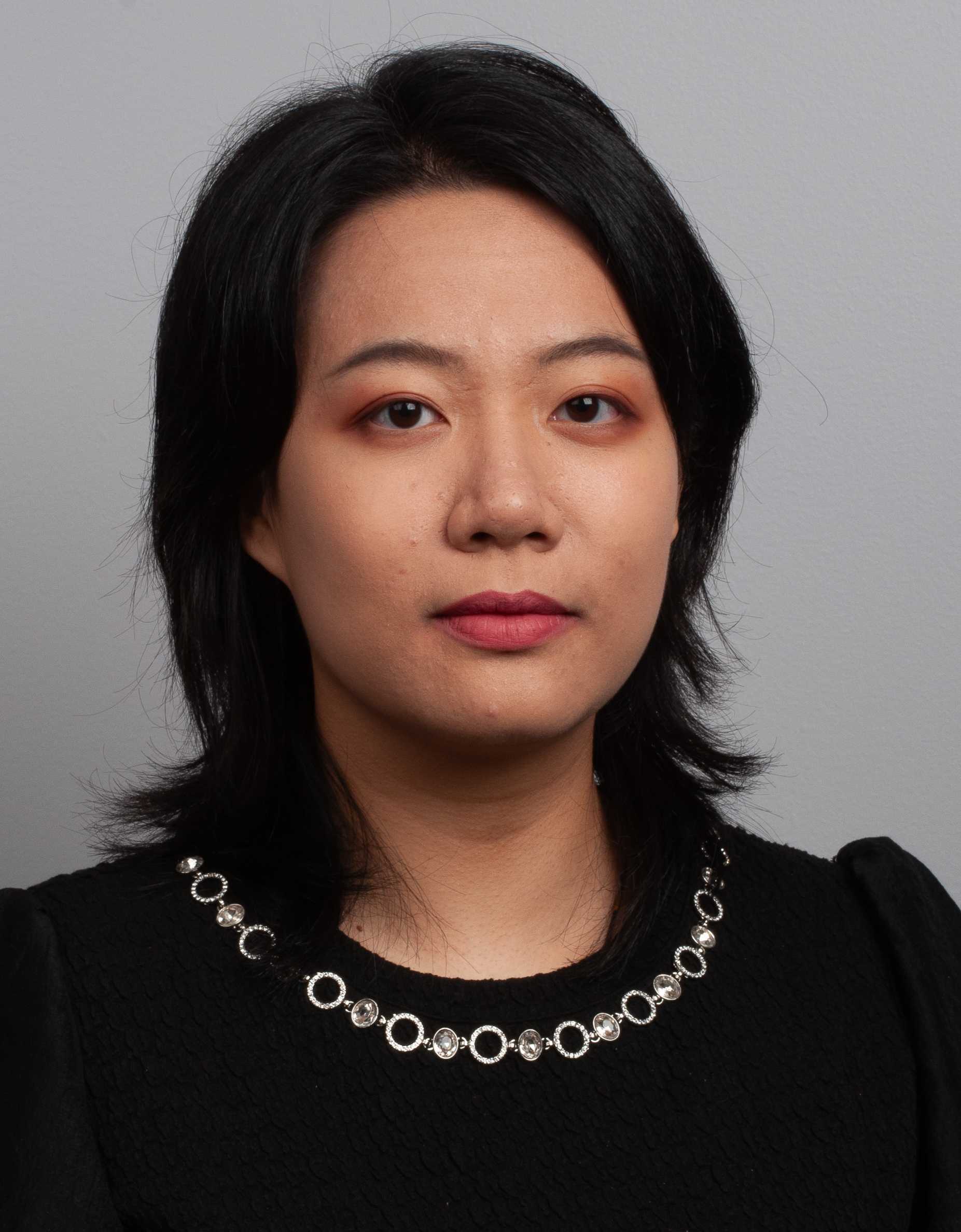
Crystal Lin Zhang
Finance, Economics, and Contemporary Asian Studies, University of Toronto
Alexander Sebastian Higuera Milenov
International Social and Public Policy and Economics, London School of Economics and Political Science
Alex Parry
PhD Health & Exercise Science, University of Hull (With a strong sociological & philosophical emphasis)
Aditi Saxena
Bachelor of Health Sciences, McMaster University
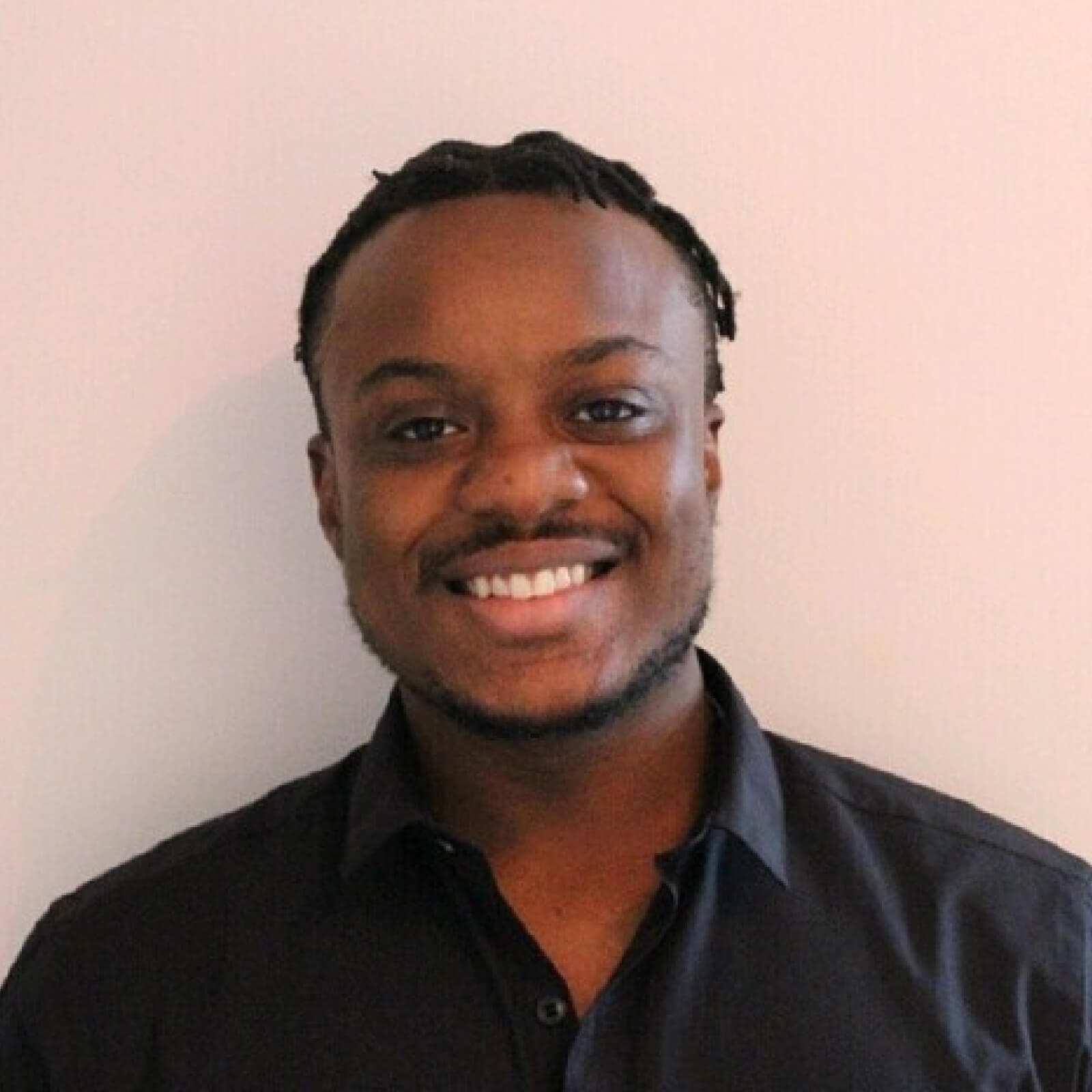
Conrad Kunadu
DPhil in International Relations
Younes
PhD in International Relations
Arthur Field
MSci Physics with Philosophy, Durham University
Joseph Getto
MSc in International Conflict Resolution and Coexistence, Brandeis Universit
Hana Hattori Long
MSc student in Social Justice and Community Action, University of Edinburgh
Juliane Walther
BS Economics & Society, Minerva University

Partner as a Fellowship Mentor

If you or your organisation is working on important problems and could use research support from exceptional students, we would love to partner with you! We aim to connect exceptional students with organisations to work on research projects that contribute directly to your mission.

Partner As A Mentor
Stack of three old books beside papers and a magnifying glass highlighting a bar chart with green, yellow, and red bars.

Frequently asked questions

Who can apply for a Fellowship?
Current students who aim to complete these projects as their final-year thesis or as an independent project. We also welcome early-career individuals and recent graduates who want to contribute to this work while gaining experience that can help shape their career paths.

The fit will depend on the exact project.
Which degree levels are eligible (Bachelor's, Master's, PhD)?
Eligibility depends on the specific project - we have projects suitable for Bachelor’s, Master’s, and PhD students. Please read each project description carefully.
What if none of the featured projects match my interests or constraints?
If no featured project fits your interests, we recommend applying for 1:1 advising to help you develop your own thesis. Alternatively, you can reach out to us to see if you can propose a different topic that still aligns with the organization’s mission and interests.
What happens after I apply?
We review your application and test task carefully. If you’re a good fit, we’ll invite you for a call with the Effective Thesis team. Successful calls are then forwarded to the mentor for a final interview and consideration.
Can I apply to multiple projects?
Yes, though we recommend focusing on 1–2 projects to give each your best effort.
How long is the Fellowship?
Typically, around three months, though duration may vary depending on the project. Some of our fellow-mentor pairings have lasted >6 months.
When are the cohort dates?
We typically run 2-3 cohorts per year (Winter, Summer and Spring). Please subscribe to our newsletter to be notified of the next program opening! 
How often do I meet with my mentor?
Meeting frequency is determined by you and your mentor. You also have the option to check in with the Effective Thesis team for guidance or support whenever needed.
Are there any costs to participate?
No, all programs from Effective Thesis are free of charge.

Use your thesis to launch an impactful career

Whether you’re a student, expert, or organistion, join us in supporting the next generation of people using research and their careers to tackle global challenges.
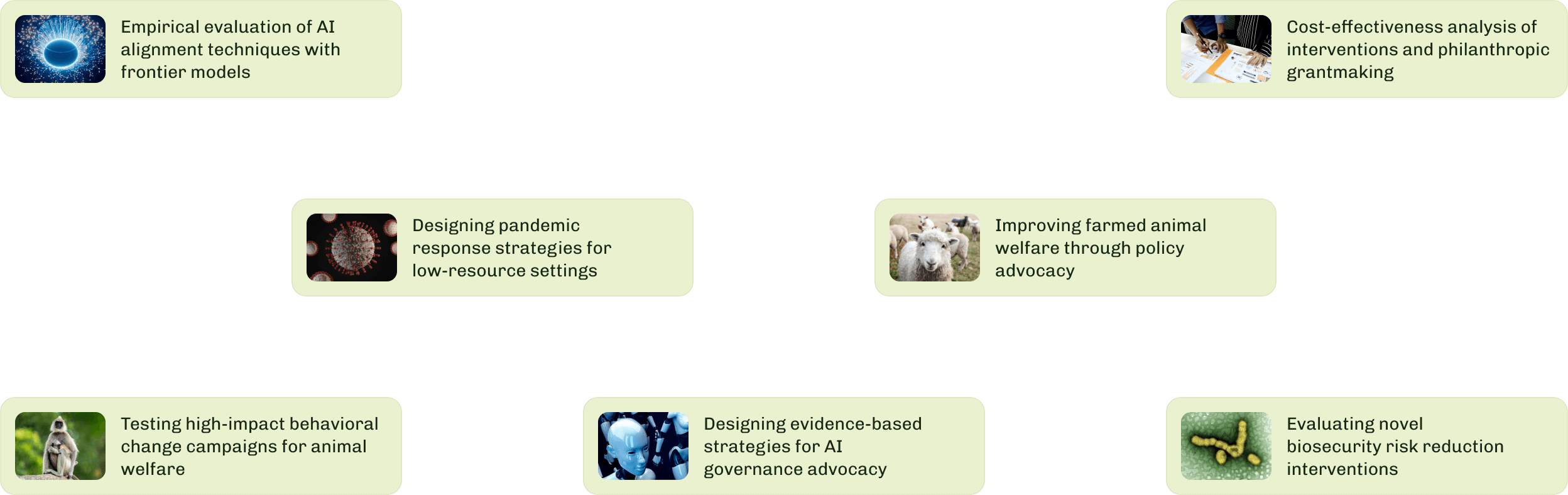
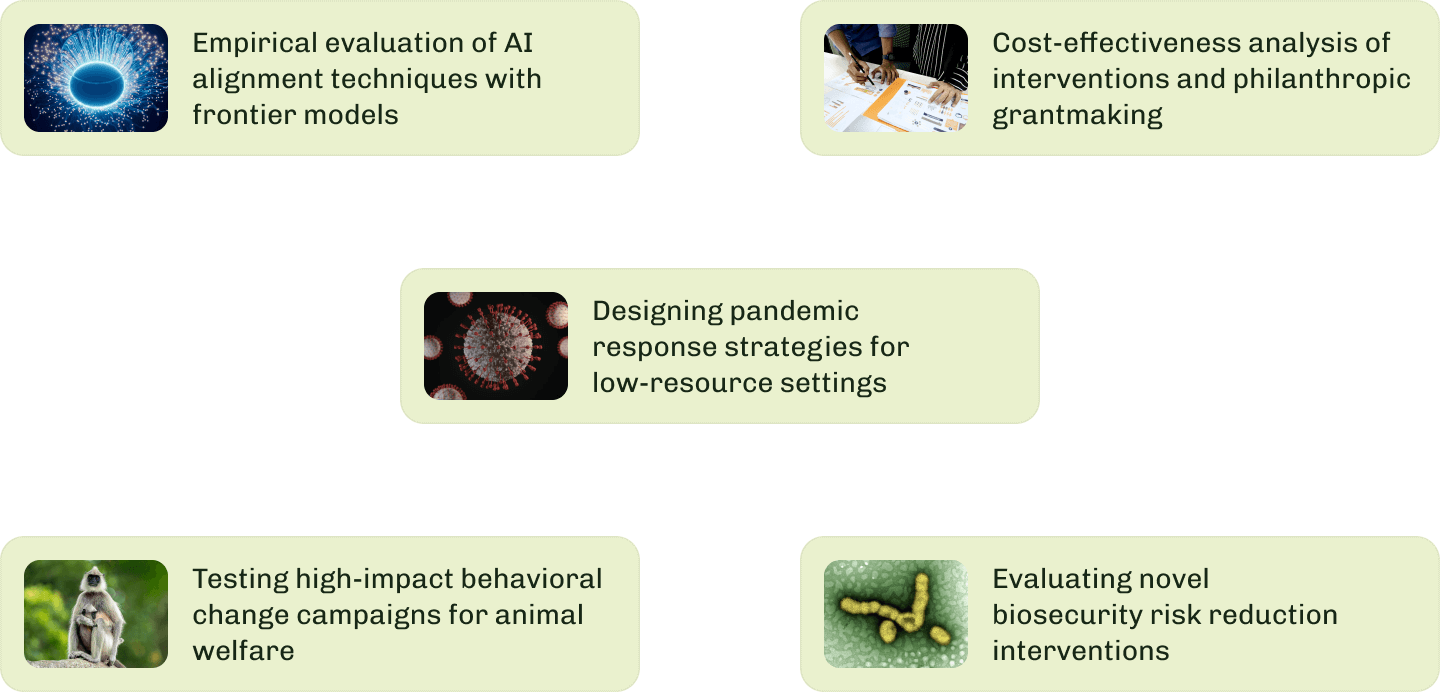
Research areas diagram with six blocks: Empirical evaluation of AI alignment techniques; Cost-effectiveness analysis of interventions and philanthropic grantmaking; Designing pandemic response strategies for low-resource settings; Improving farmed animal welfare through policy advocacy; Testing high-impact behavioral change campaigns for animal welfare; Designing evidence-based strategies for AI governance advocacy; and Evaluating novel biosecurity risk reduction interventions.Five research areas: AI alignment with frontier models, cost-effectiveness of philanthropic interventions, pandemic response for low-resource settings, behavioral change for animal welfare, and biosecurity risk reduction.